An FF&E tender is decided before it is sent: in how the brief splits packages, sets quantities by room type and describes finishes. When those three points stay vague, replies arrive on different scopes and comparing prices stops meaning anything. This article sets out a brief structure that lets you compare, negotiate and receive without starting the analysis again.
Why does the package split decide how offers can be compared?
A hotel project mixes furniture families with different tolerances, lead times and installation constraints: guestrooms, bathrooms, reception, restaurant, meeting rooms and corridors. Sent as one package, the tender forces every manufacturer to price items it does not produce, so the returned figure becomes an assembly price that is hard to audit. Split into packages, it can be compared line by line and the gap becomes visible immediately.
How do you set quantities by room type without getting it wrong?
Quantities are read by room type, never as one global total. A 120-key hotel can hold four or five types with different layouts: standard, accessible, superior and suite. The schedule must list, for each type, the composition item by item, then multiply by the number of keys. That matrix, not a total, is what later drives the delivery check.
What belongs in the finishes schedule?
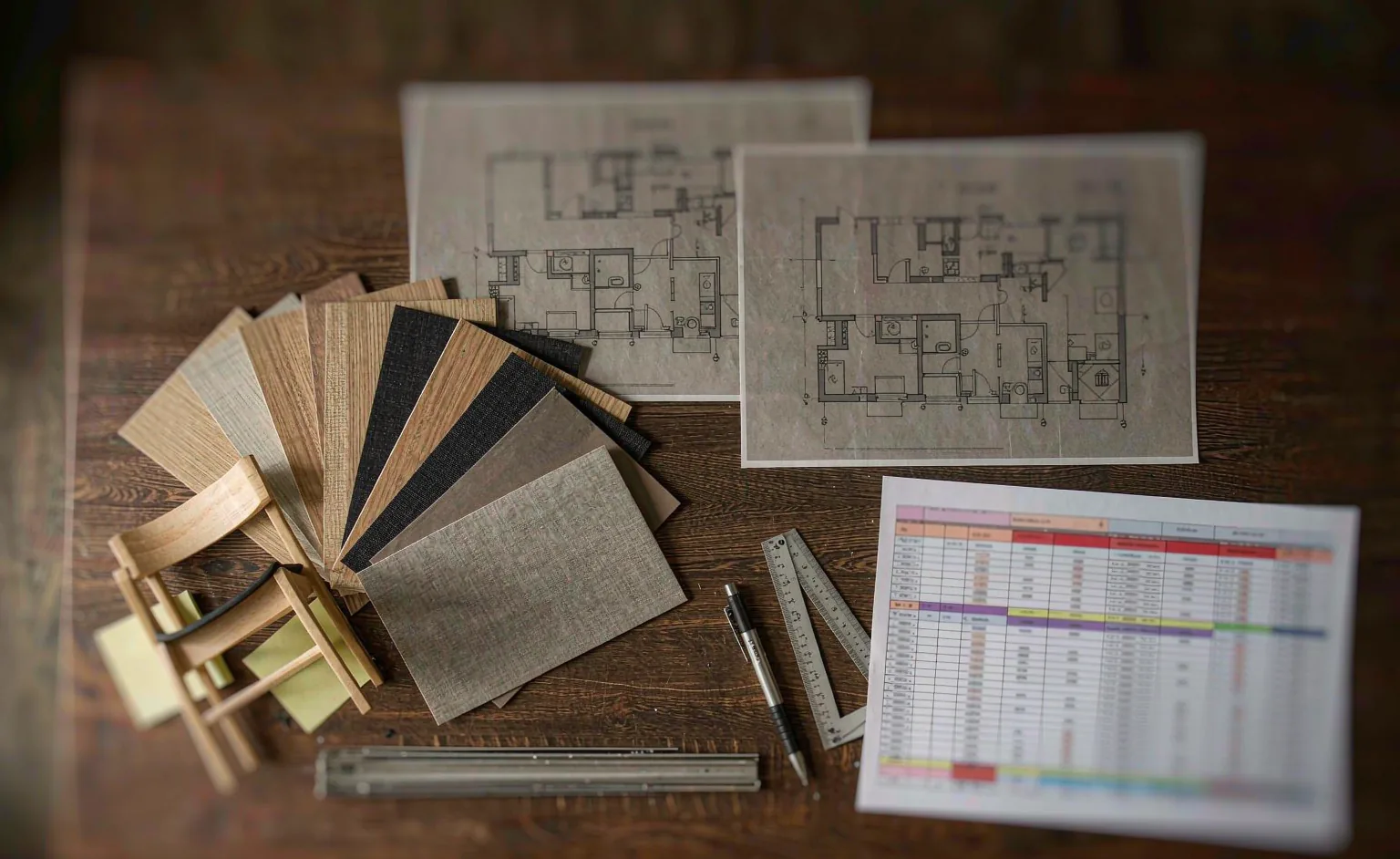
The finishes schedule is the document that links the drawing to the price. For each element it lists the surface reference, colour, grain direction, edge type, hardware and expected resistance level. Without it, two manufacturers price two different qualities under the same label of pale oak, and the price gap measures only the material gap.
How should the mock-up room clause be written?
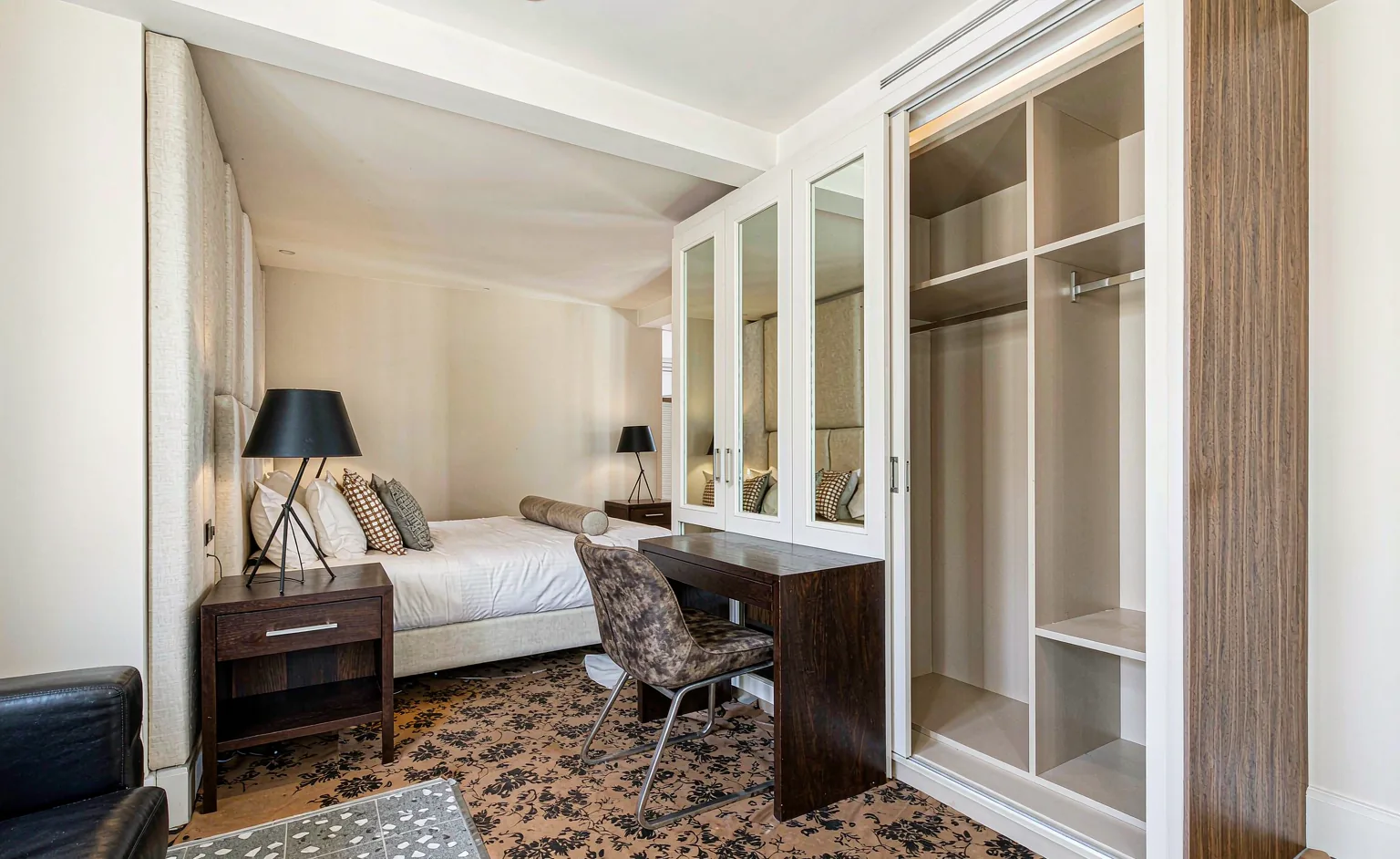
The mock-up room turns a brief into an enforceable reference. The clause must state the exact content, item by item, with the selected finishes; the lead time after shop drawings are approved; and the validation process, meaning who inspects, who signs, within what period, and what happens if a reservation is raised.
On what criteria should replies be evaluated?
An evaluation grid written before offers are opened keeps the decision from resting on price alone. The useful criteria are few but must be weighted: compliance with the schedule, quality and consistency of proposed finishes, ability to hold the programme, comparable project references, warranty and after-sales terms, and then price.
Which exclusions must be stated in writing?
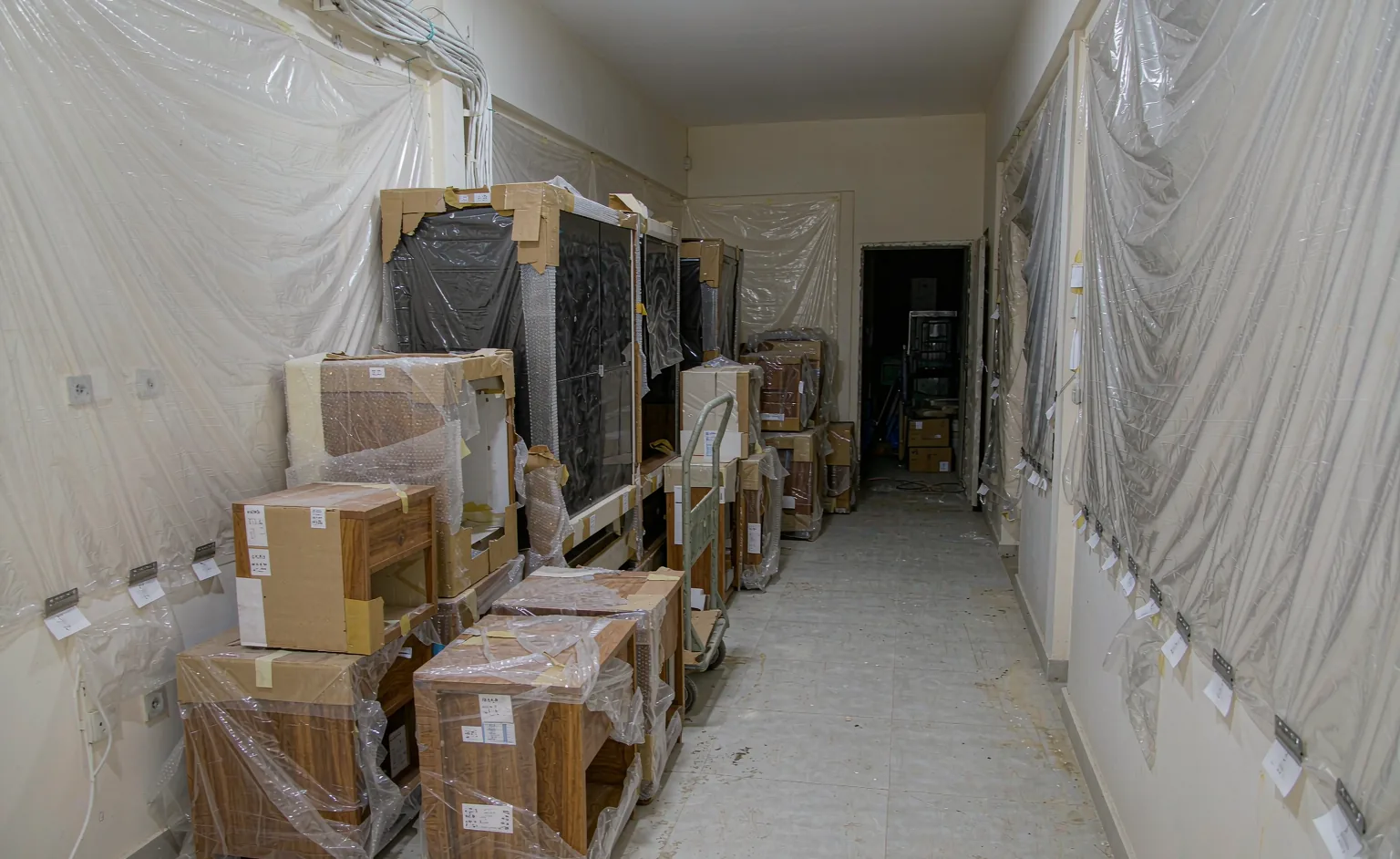
The exclusion list protects both sides. It must state what is not included: unloading and handling on site, storage, assembly, electrical connections, floor and paint repairs after installation, removal of packaging, and training of floor staff. Each of these has a real cost and will eventually be claimed by someone.
Frequently asked questions
When is the right time to send an FF&E brief?
As soon as room type drawings are fixed and finishes are referenced, even if some decisions remain open. Waiting for the final version costs weeks; it is better to send with separately priced options.
One package or several for a 120-key hotel?
Several, at minimum by technical family. A single package prevents line-by-line comparison and pushes scope differences between manufacturers into the final price.
How do you avoid variations during the project?
By writing exclusions and interfaces into the brief and having each candidate confirm what is included. An unwritten exclusion always becomes a variation.
Is a mock-up room mandatory?
Not legally, but it is the only way to fix a common reference between the brief, production and reception. Without it, every room becomes a first validation.
How long should the tender phase take?
It depends on the number of packages and how complete the drawings are. The question phase and the analysis often take as long as writing the brief itself.
How do you handle an operating hotel's constraints?
By stating delivery and installation windows per floor, authorised access and storage areas in the brief, because those constraints change installation cost and programming.
Your preparation schedule
A blank template for your project. Downloading is free.
Download the CSV schedule ↓